
Wool Roving & Spinning Fiber
We have wool roving from sheep and farms all over the world. Quantity discounts available on bulk wool roving for spinning at 4oz, 8oz, 16oz quantities.
-
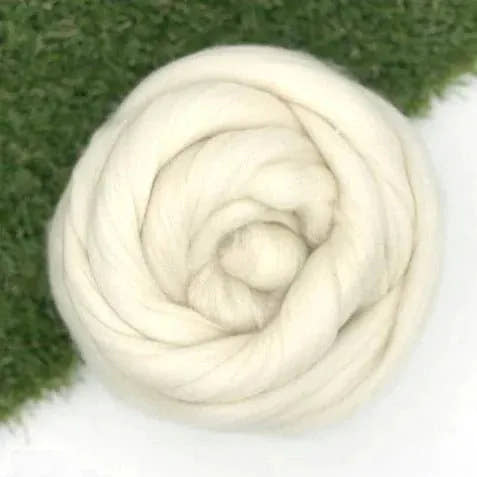
Paradise Fibers 64 Ct 21.5 Micron Undyed Merino Wool Top (by the ounce)
Regular price $2.36 USD -
Paradise Fibers Merino/Tussah Silk Blend | Giverny
Regular price $6.99 USD -
Paradise Fibers White Shetland Wool Roving
Regular price $2.19 USD -
Mountain Meadow Cormo Combed Top
Regular price $6.99 USD -
Paradise Fibers De-Haired Yak Down Top - Bleached
Regular price $11.95 USD -
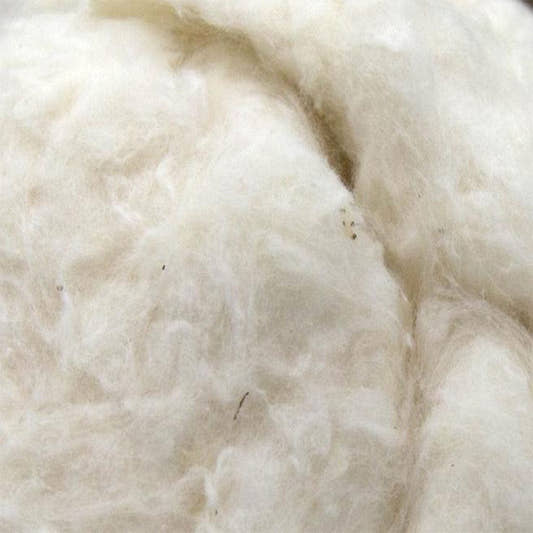
White Egyptian Cotton - Loose Fiber (Great for blending)
Regular price $4.75 USD -
Pocion 139 - Malabrigo Nube Roving Fiber Braid
Regular price $16.49 USD -
Paradise Fibers Cormo Wool Top
Regular price $7.73 USD -
PF Polwarth Wool & Viscose Nepp Blend - Rhubarb Crumble
Regular price $7.49 USD -
Ashland Bay Multi-Colored Merino Wool Top - Sandstone
Regular price $4.29 USD -
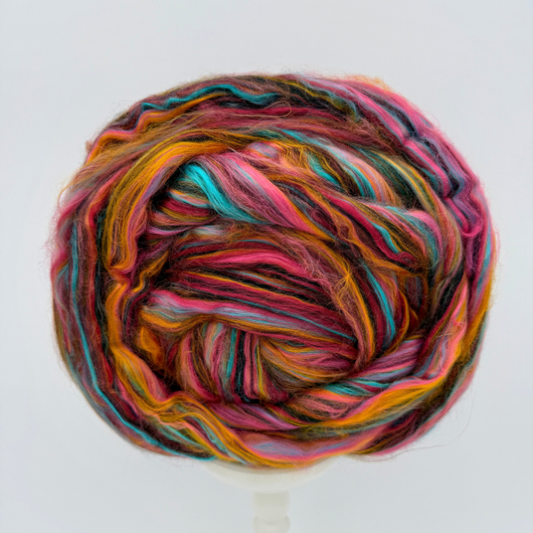
Dia De Muertos 80/20 Bamboo Merino Spinning Fiber Top
Regular price $5.07 USD -
Cereza 033 - Malabrigo Nube Roving Fiber Braid
Regular price $16.49 USD -
Malabrigo Cloud Fiber Braids
Regular price $18.49 USD -
-
Multi Colored Merino Wool Top Northern Lights - Blaze
Regular price $2.99 USD -
Paradise Fibers Premium Superfine Merino Top - 18.5 Micron
Regular price$5.49 USDSale price $3.95 USD28% Sale -
Rose Fiber Top
Regular price $3.99 USD -
Paradise Fibers UnDyed Flax/Linen Top - Natural
Regular price $3.24 USD -
Glitzy Merino Wool and Rainbow Nylon Blend - Granite
Regular price $5.95 USD -
Natural Colored Baby Alpaca Top - Black
Regular price $5.11 USD -
Paradise Fibers Domestic Superwash Merino Wool Top
Regular price $2.84 USD -
Paradise Fibers Corriedale Top - Natural Grey
Regular price $2.84 USD -
Paradise Fibers Solid Colored Merino Top - 74 Raven
Regular price $5.99 USD -
Shetland Heather Combed Wool Top - Echinops
Regular price $6.49 USD -
Light Brown - Alpaca/Tussah Silk Fiber Top Blend
Regular price $7.99 USD -
Black Mountain Fiber from Welsh Sheep Fleece
Regular price $1.95 USD -
Paradise Fibers Faux Cashmere Roving
Regular price $3.59 USD -
Paradise Fibers Undyed Bamboo Top
Regular price $4.77 USD -
Paradise Fibers Cut Silk Cocoons
Regular price $8.40 USD -
Paradise Fibers Grey Gotland Wool
Regular price $2.08 USD -
Paradise Fibers Jacob Wool Top - Black
Regular price $3.41 USD -
Pieces of Paradise - Blenders Delight Assortment - 1 LB.
Regular price $39.99 USD -
Paradise Fibers Humbug Merino Wool Top
Regular price $6.25 USD -
Merino/Baby Alpaca Blend Alpine - Dolomites Green
Regular price $4.49 USD -
Paradise Fibers Solid Colored Merino Top - 307 Duck Egg
Regular price $5.99 USD -
Paradise Fibers White Polwarth Fiber
Regular price $6.79 USD










Frequently Asked Questions
A medium wool with a staple of about 3 to 5 inches and moderate crimp is the usual advice for a first spinner. Corriedale is the classic pick, and BFL and Shetland work well too. Fine merino is lovely but its short staple is slippery to draft when you're new. Teachers are split on whether carded roving or combed top is easier at first, so try an ounce of each.
Yes, as long as it isn't superwash. Merino and Corriedale both spin well and felt well. Superwash wool has a shrink-resist treatment, so it won't wet felt. That makes it a good choice for washable handspun and the wrong one for felting.
For spinning, spin a small sample, measure how many yards per pound you get, and divide your pattern's yardage by that number. If your handspun comes out at 900 yards per pound and the sweater calls for 1,200 yards, you need about 1.33 lb. Add 15 to 20% so you don't run short, which makes it about 1.6 lb. For needle felting, a small animal takes an ounce or two.
Micron is the average diameter of the fibers, measured in millionths of a meter. Lower is finer and softer. Most people start to feel prickle from fibers coarser than about 30 micron, so a 19 or 21 micron merino is comfortable at the neck and a 28 micron wool is better for outerwear, rugs and bags. It's an average, so two wools with the same number can still feel a little different.
Keep it somewhere cool, dry and dark, in a cotton bag or a bin with some airflow rather than sealed in plastic for years. Moths are the real risk. Check your stash every few months, and freeze anything new from a fleece sale or a friend's attic for a few days before it goes in with the rest.