
Lace Weight Yarn #0
Discover our exquisite collection of lace weight yarn at Paradise Fibers! As the finest weight in the yarn family, our lace yarns are perfect for creating ethereal shawls, delicate scarves, and heirloom garments with incredible drape and detail.
-
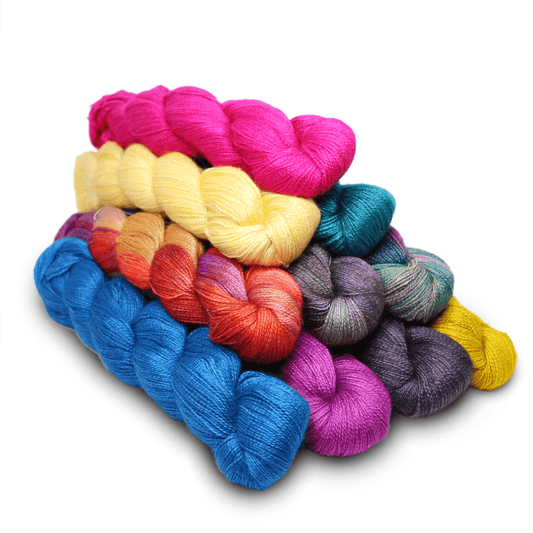
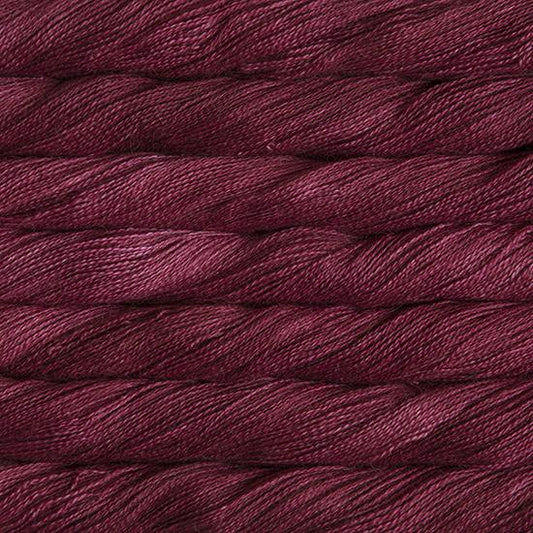
Malabrigo Silkpaca Lace Yarn
Regular price $11.59 USDRegular price -

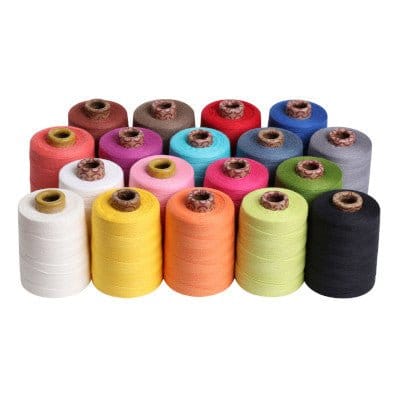
Ashford Yoga Yarn 8/2 Cotton
Regular price From $25.50 USDRegular price -
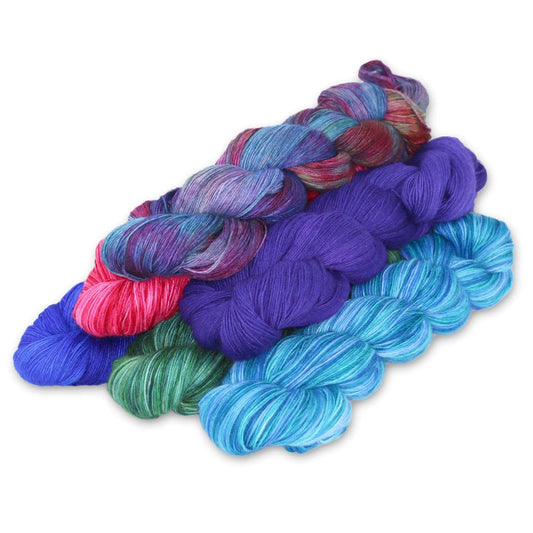

Malabrigo Lace Yarn
Regular price $9.59 USDRegular price -
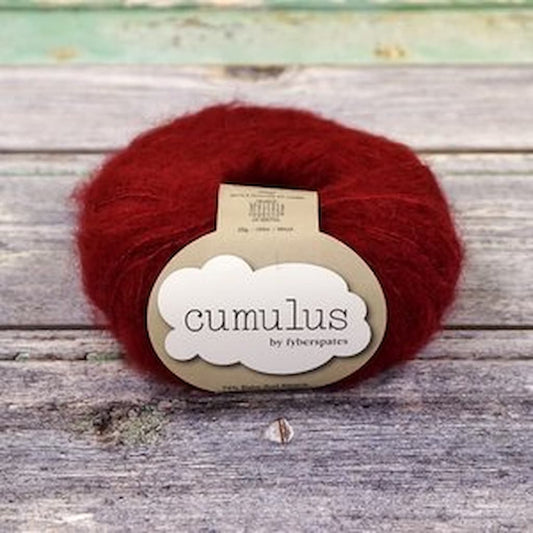
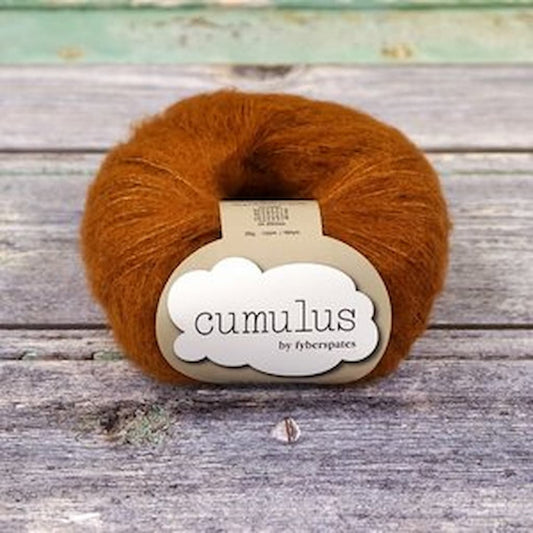
Fyberspates Cumulus Yarn
Regular price $11.99 USDRegular price -
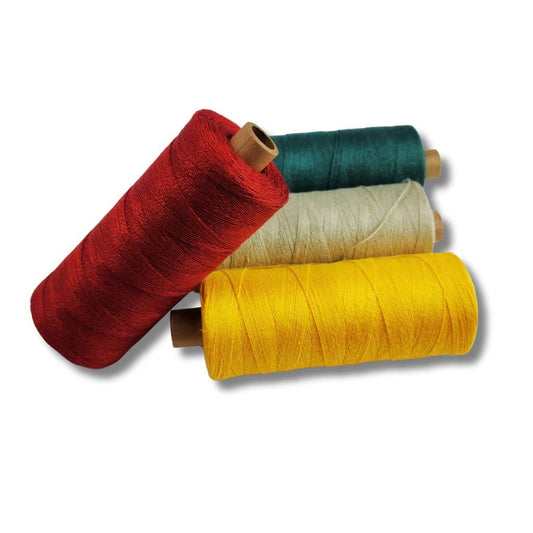
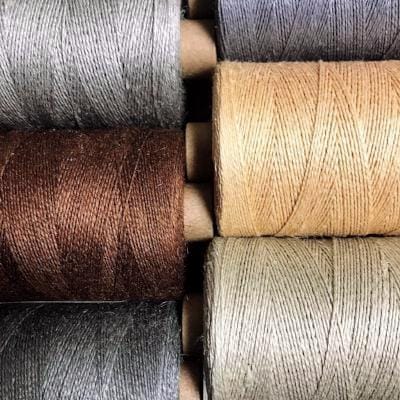
Bockens Line Linen Yarn - 16/2 - 700yds
Regular price From $22.00 USDRegular price -

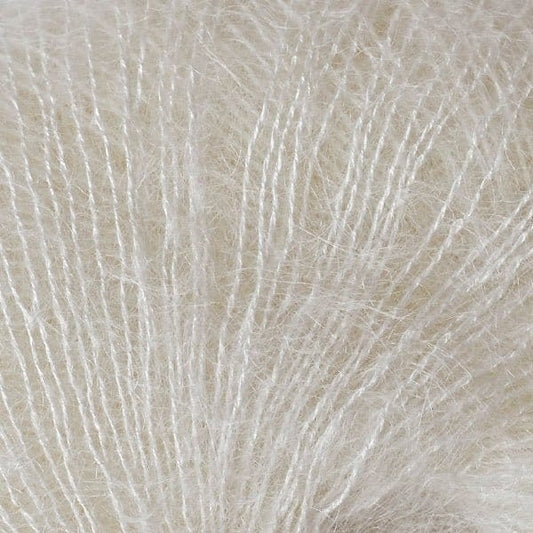
Berroco Aerial Lace Yarn
Regular price $15.74 USDRegular price$0.00 USDSale price $15.74 USD -
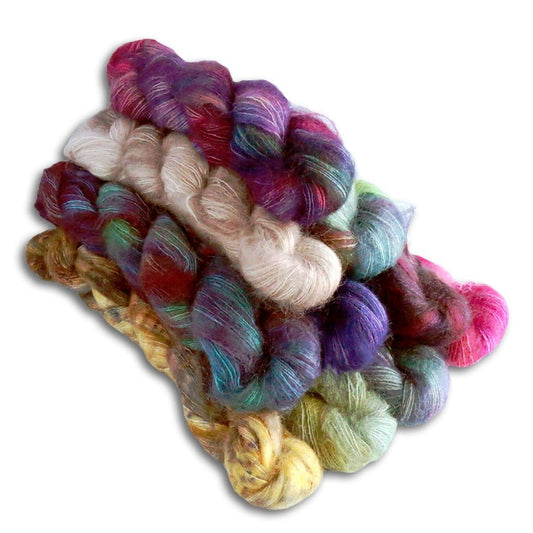
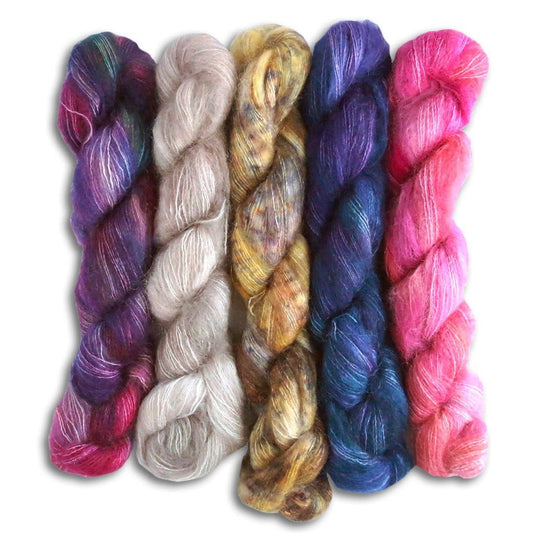
Malabrigo Mohair Lace Yarn
Regular price $15.19 USDRegular price -

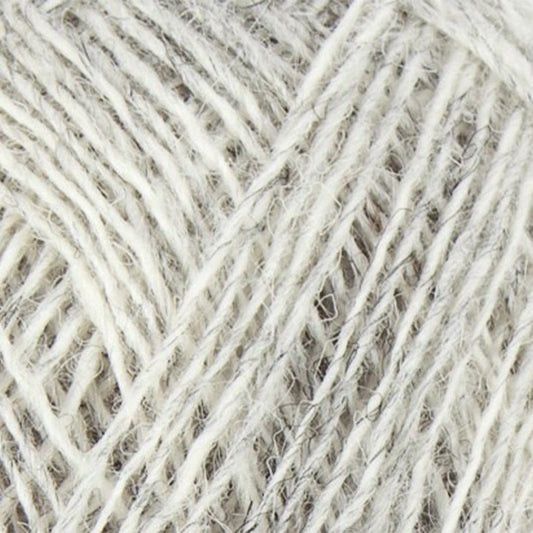
Lopi Einband Lace Yarn
Regular price From $8.00 USDRegular price -

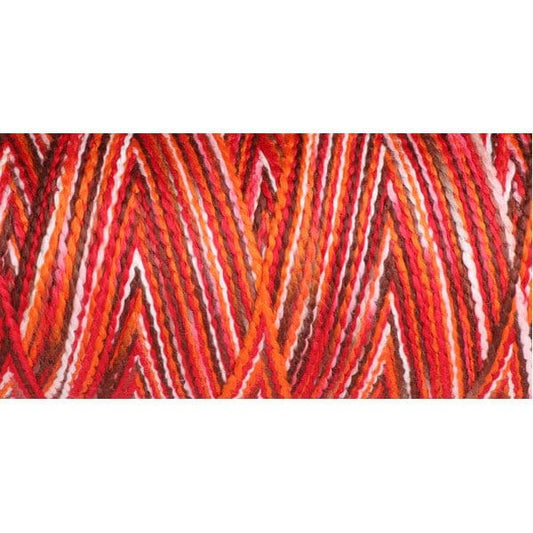
Ashford Caterpillar Cotton Lace Yarn
Regular price $38.50 USDRegular price -

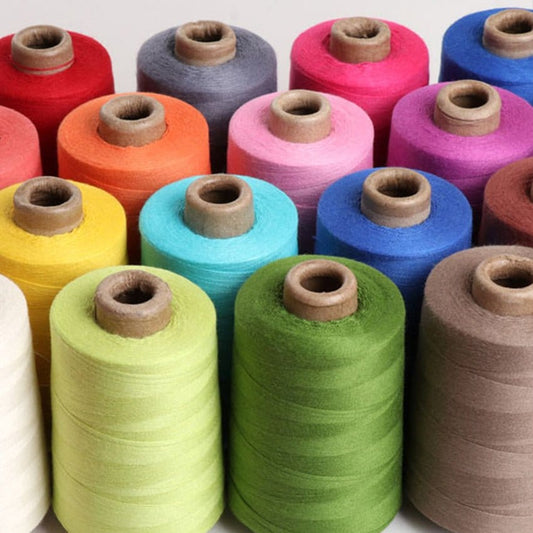
Ashford Unmercerized Cotton Cones - 5/2
Regular price $25.00 USDRegular price -

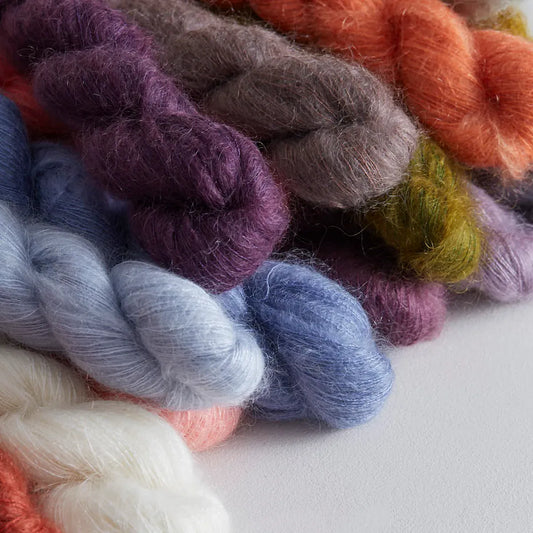
Urth Yarns Bonmoher Lace Yarn
Regular price $22.99 USDRegular price -
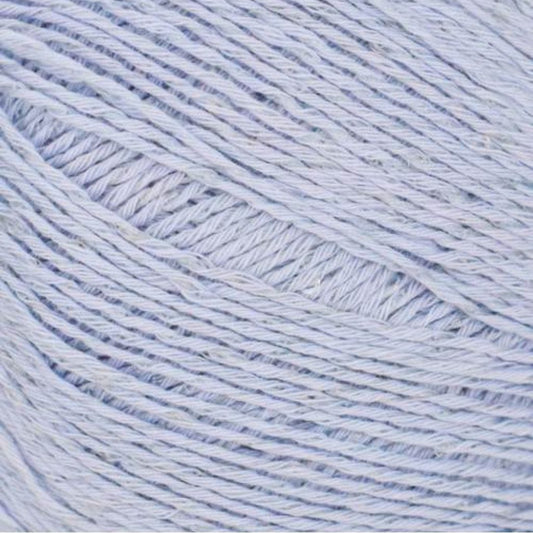
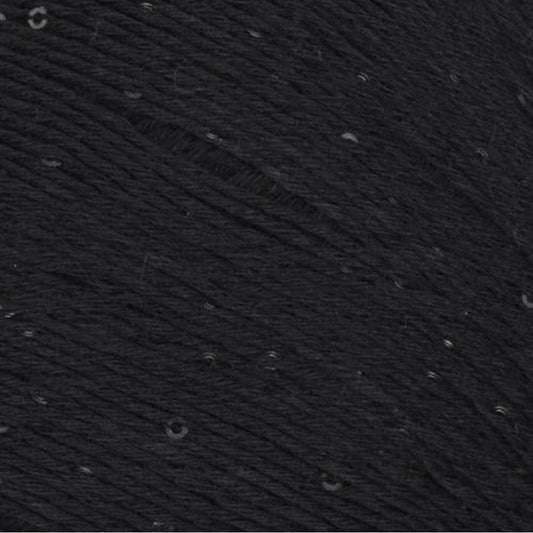
Juniper Moon Farm Marilyn Lace Yarn
Regular price $21.25 USDRegular price$25.00 USDSale price $21.25 USD15% Sale -
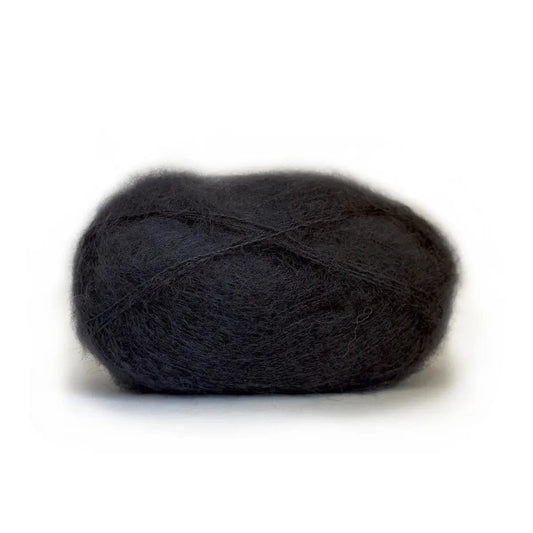
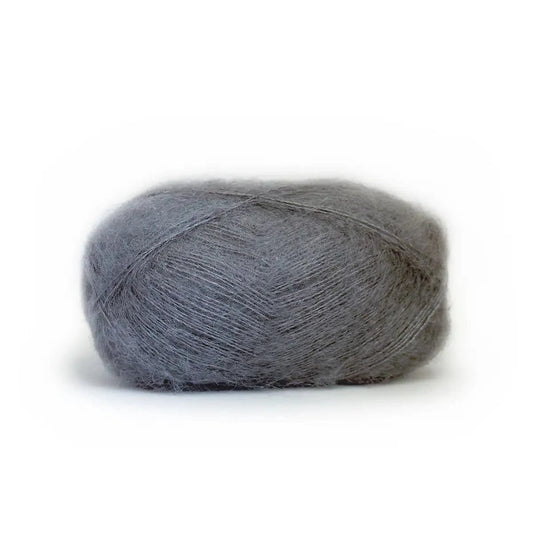
Kelbourne Woolens Harmony Lace Yarn
Regular price $15.99 USDRegular price -
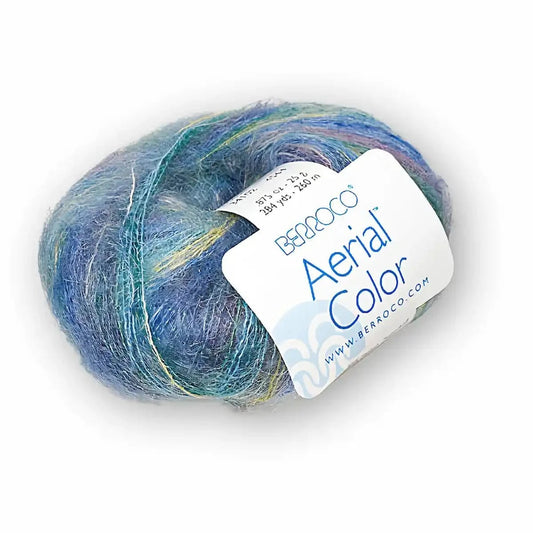
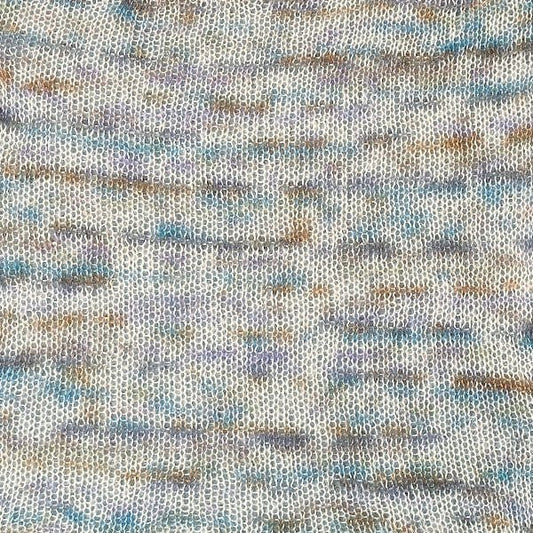
Berroco Aerial Color Lace Yarn
Regular price $15.99 USDRegular price$0.00 USDSale price $15.99 USD -
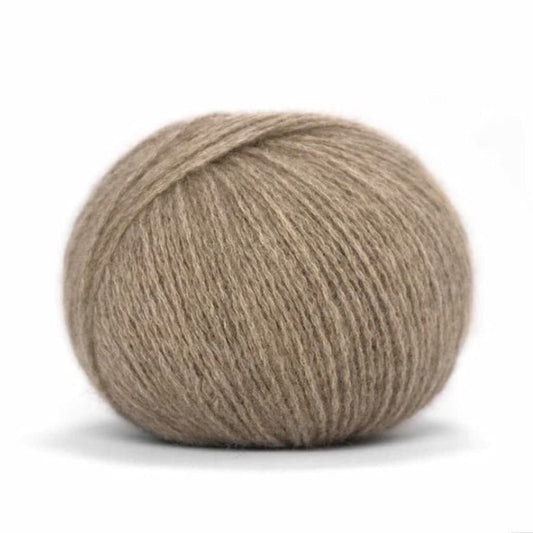
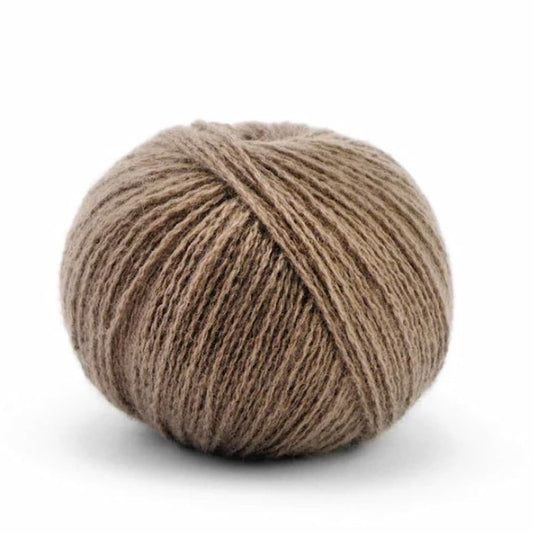
Pascuali Organic Cashmere Lace | 100% Organic Cashmere Wool - 52 Black
Regular price $39.99 USDRegular price


Frequently Asked Questions
Lace knitting has a reputation for being advanced, but the yarn itself is not inherently difficult to work with. The main challenges are keeping track of your place in a chart or written pattern and maintaining even tension at a fine gauge. Both of these are skills that develop quickly with practice. If you're newer to knitting, we'd suggest starting with a simple lace pattern like a basic feather and fan or an easy leaf motif before tackling more complex designs. A smooth, light-colored lace weight yarn in merino or a merino blend is the most forgiving choice for a first lace project because the stitch definition is clear and errors are easy to spot and correct.
The standard recommendation for lace yarn weight is a US size 0 to 3 needle, or roughly 2.0 to 3.25mm, but many lace knitters deliberately go larger than this to create a more open, airy fabric that lets the pattern breathe. A US size 4 or 5 needle with a lace weight yarn produces a much more open fabric than the same needle would with a fingering or DK weight, and this openness is often exactly what a lace pattern calls for. Always swatch and check your gauge against the pattern before committing to a needle size, and remember that blocking will affect your final dimensions significantly.
For lace projects specifically, blocking is not optional. It is the step that transforms a crumpled, unreadable piece of knitting into the open, structured, patterned fabric that lace is meant to be. Before blocking, even a beautifully executed lace piece will look like a dense, compressed tangle. After washing and pinning out to its full dimensions, the pattern opens up completely and the piece takes on its true character. Wet blocking is the most common method for most natural fiber lace weight yarns. Invest in good blocking mats and a set of blocking wires or pins, and the results will absolutely justify the effort.
Yardage requirements for lace shawls vary considerably depending on the pattern and the finished size, but most standard triangular or crescent shawl patterns call for somewhere between 400 and 800 yards of lace weight yarn. Larger, more generous wraps or complex patterns with dense stitch repeats can require 1,000 yards or more. Always check your specific pattern for the recommended yardage and buy at least one skein more than the minimum in the same dye lot. Running out of yarn mid-project is a frustrating experience at any weight, but finding a matching dye lot for a lace weight hand-dyed skein after the fact can be genuinely impossible.
Absolutely. While lace knitting is the most obvious application for yarn lace weight options, these fine yarns work beautifully in a range of other contexts. Held double, lace weight produces a fabric equivalent to fingering or light sport weight, which opens up a much wider range of pattern possibilities. Many crafters use lace weight mohair or kid silk haze held alongside a fingering or DK base yarn to add halo and warmth to a project without changing the gauge significantly. Weavers also love fine yarn for delicate woven fabric with excellent drape. And for experienced handspinners, lace weight singles and two-ply are some of the most rewarding and beautiful yarns to spin.