
Felting Yarn
Felting yarn for needle felting and wet felting projects.
-
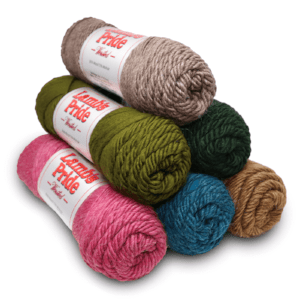
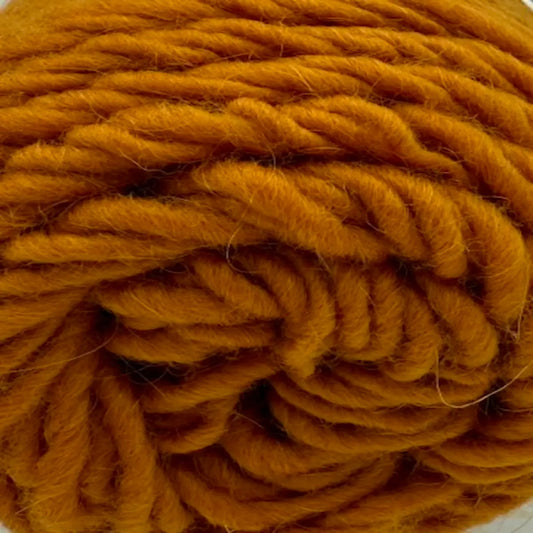
Brown Sheep Lamb's Pride Worsted Yarn
Regular price $17.49 USDRegular price -
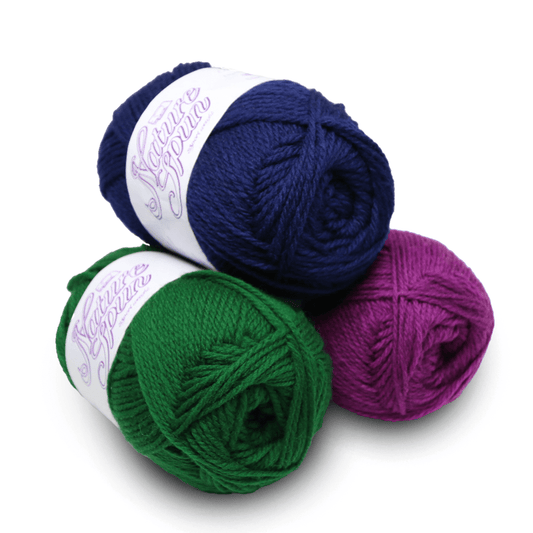

Brown Sheep Nature Spun Sport Yarn
Regular price $8.49 USDRegular price -
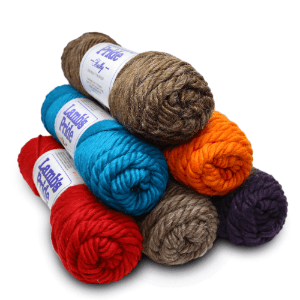
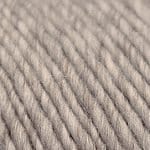
Brown Sheep Lamb's Pride Bulky Yarn
Regular price $17.49 USDRegular price -
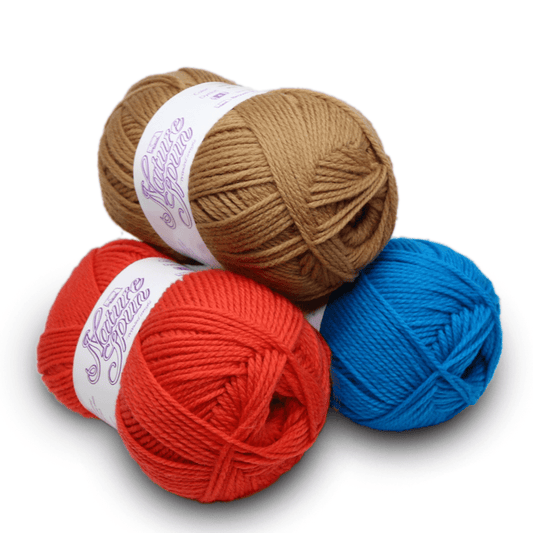
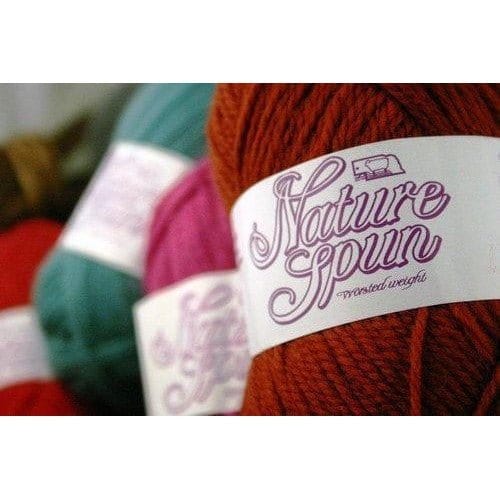
Brown Sheep Nature Spun Worsted Yarn
Regular price $13.30 USDRegular price -
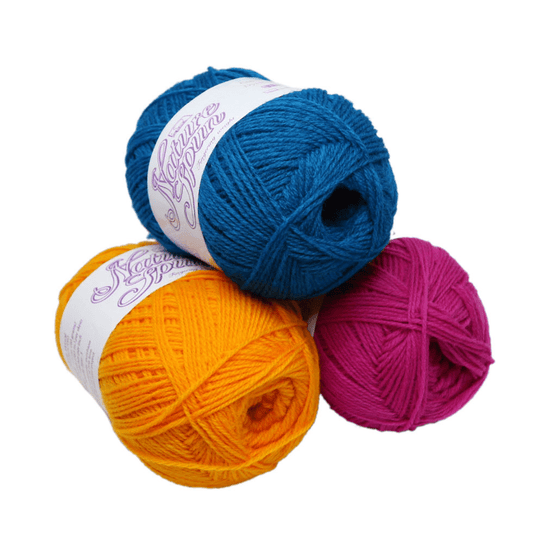
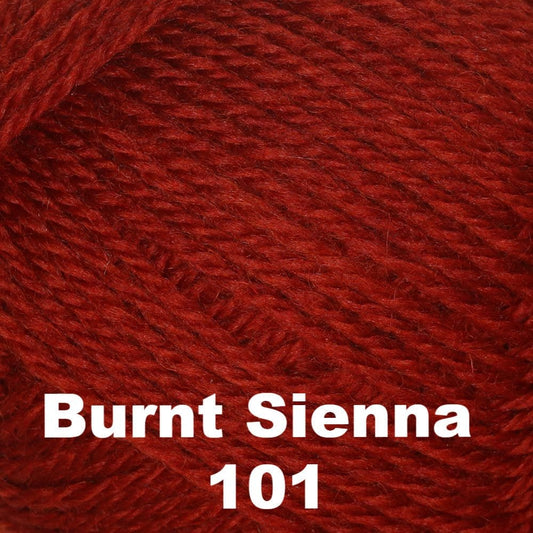
Brown Sheep Nature Spun Fingering Yarn
Regular price $7.40 USDRegular price -

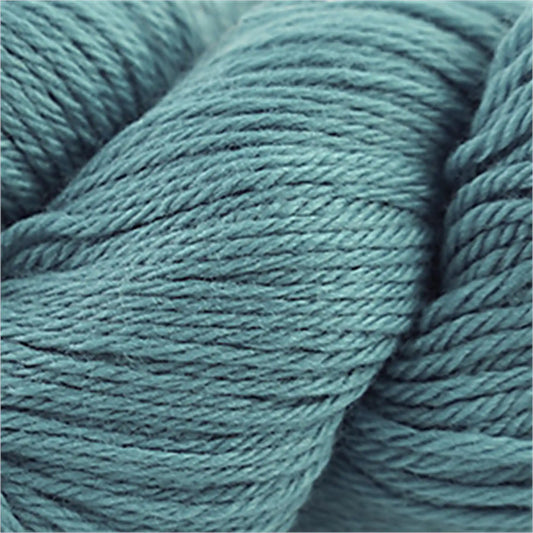
Cascade 220 Worsted Weight Wool Yarn
Regular price $12.49 USDRegular price$11.00 USDSale price $12.49 USD -
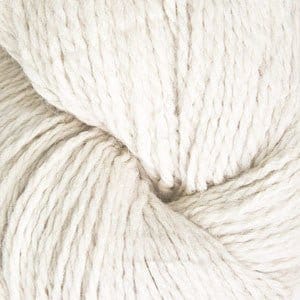
Cascade Ecological Wool Bulky Yarn
Regular price $28.75 USDRegular price$27.50 USDSale price $28.75 USD


Frequently Asked Questions
You'll want animal-fiber wool that has not been treated to be superwash or machine washable, because those treatments are designed to stop felting from happening. The 100% wool yarn for felting in this collection still has its natural scales intact, which is what allows the fibers to grab and bond together during needle or wet felting. As a rule of thumb, if a label says superwash or lists synthetic content, it will resist felting.
Standard knitting yarn is often spun smooth and sometimes treated to resist shrinking, which is the opposite of what you want for felting. Felting yarn is specifically untreated wool that fulls and firms up when agitated with heat, moisture, or a barbed needle, so it transforms from soft strands into a solid fabric. If you tried to felt a typical superwash sock yarn, you'd be disappointed, which is exactly why a dedicated wool felting yarn matters.
Not really, and that's part of the appeal. For needle felting you mainly need the wool, a felting needle or two, and a foam pad to protect your work surface, while wet felting needs little more than warm water, soap, and your hands. You can always add tools as you get more serious, and our team is happy to recommend a simple starter setup that won't overwhelm a beginner.
For small needle felting projects like ornaments or little animals, a modest amount goes a surprisingly long way since the wool compresses down as it firms up. For wet felting or knit-and-full projects like bags and slippers, plan for more yarn because felting shrinks the finished piece noticeably. If you tell our crafters what you're making, we'll help you estimate so you don't run short midway through.
Finished felt is remarkably durable and tends to get sturdier with use, since the fibers are already locked together. It doesn't require fussy maintenance, though you'll want to spot clean rather than machine wash so you don't accidentally felt it further or distort the shape. Stored away from moths and damp, a well-made felted piece can easily last for years.